Dental implants are a common and reliable way to replace missing teeth, but like any surgical procedure, they come with a recovery period. Many patients search for information on swelling after dental implant surgery or dental implant bruising because these are normal parts of healing that can feel unfamiliar if you do not know what to expect. This guide walks through why these side effects happen, how to manage them, and what steps can help support a smoother recovery.
Understanding Dental Implant Side Effects
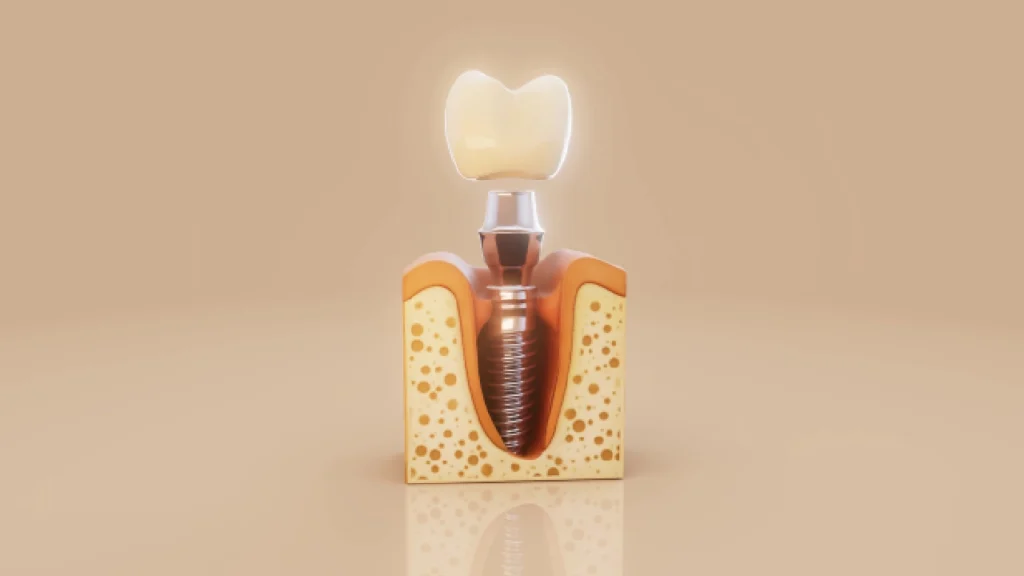
Placing a dental implant involves working with the gum tissue and jawbone, so some level of swelling, tenderness, or bruising afterward is expected. This applies whether a patient is receiving a single implant or a more involved procedure such as full mouth implants. The body’s natural healing response causes fluid and blood to collect near the treatment site, which is what leads to visible swelling or discoloration.
Knowing that these reactions are a normal part of healing, rather than a sign that something has gone wrong, can make the recovery period feel less concerning.
Why Swelling and Bruising Happen After Implant Surgery
Dental implant swelling face symptoms occur because the tissue around the implant site is disturbed during placement. Small blood vessels near the surgical area can be affected, which sometimes leads to dental implant face swelling or visible bruising on the cheek or jawline. This is more noticeable in procedures that involve multiple implants, such as all on 4 dental implants, where more of the jaw is treated during a single visit.
Facial bruising after dental implants typically appears within the first day or two after surgery and follows a similar pattern to bruising anywhere else on the body, starting darker and gradually fading as it heals.
Common Dental Implant Side Effects to Expect
Patients preparing for implant surgery often want a clear picture of what recovery may look like. Common and expected side effects include:
Swelling around the surgical site and sometimes the face
Mild to moderate bruising on the cheek or jaw
Tenderness or discomfort near the implant area
Minor bleeding in the first day
Gum problems after implants, such as slight irritation as tissue heals
Most of these effects are temporary and improve steadily within the first week, though the exact timeline varies from person to person.
How to Reduce Swelling After Dental Implant Surgery
Knowing how to reduce swelling after dental implant surgery can make a noticeable difference in comfort during the first few days. Some generally recommended steps include:
Use Cold Compresses Early On
Applying a cold compress to the outside of the face near the treatment area during the first 24 to 48 hours can help limit swelling. This is typically done in short intervals rather than continuously.
Keep Your Head Elevated
Resting with your head slightly elevated, especially while sleeping, can help reduce fluid buildup in the facial area and ease swelling more quickly.
Stick to Soft, Cool Foods
Eating soft foods and avoiding anything too hot in the first few days can help prevent irritation around the surgical site while it begins to heal.
Avoid Strenuous Activity
Physical exertion can increase blood flow to the face, which may worsen swelling. Taking it easy for the first few days after surgery is generally advised.
Follow Your Dentist’s Specific Instructions
Every patient’s situation is different, so any aftercare instructions provided by your dental team should take priority over general guidance.
Dental Implant Swelling Face Timeline: What to Expect Day by Day
Understanding the general recovery timeline can help set realistic expectations after surgery.
Day | What You May Notice | General Guidance |
|---|---|---|
Day 1 to 2 | Swelling and bruising typically peak | Use cold compress, rest, keep head elevated |
Day 3 to 4 | Swelling may begin to plateau or slightly improve | Continue soft foods, avoid strenuous activity |
Day 5 to 7 | Bruising often starts to fade and swelling reduces | Gentle oral hygiene as directed, monitor healing |
Week 2 | Most visible swelling and bruising should resolve | Follow up with your dental team if concerns remain |
This is a general pattern, and individual healing times can vary depending on the extent of the procedure and each patient’s overall health.
Bruising After Dental Implants Pictures: What Is Normal
Many patients search for bruising after dental implants pictures to compare their own healing progress. It is worth noting that bruising can range from a small localized mark to a more widespread discoloration across the cheek or jaw, and both can fall within a normal healing range depending on the individual and the extent of the procedure. Rather than comparing your recovery directly to images found online, it is more reliable to discuss your specific healing progress with your dental provider, since every case is different.
When to Contact Your Dentist
While mild swelling, tenderness, and bruising are expected, certain symptoms may warrant a follow-up call. These include:
Swelling that continues to worsen after the first few days instead of improving
Signs of infection, such as persistent fever or pus near the implant site
Severe or worsening pain that does not respond to recommended care
Ongoing gum problems after implants that do not seem to be settling down
Reaching out to your dental provider with any concerns during recovery is always a reasonable step, even if the symptoms turn out to be part of normal healing.
Preventing Side Effects Before Surgery
While some swelling and bruising cannot be entirely avoided, a few steps before your procedure may help support a smoother recovery:
Share your full medical history and any medications with your dental team beforehand
Ask about what to expect specifically for your procedure, whether it is a single implant or full mouth implants
Arrange for rest and reduced activity in the days following surgery
Prepare soft foods in advance so you are not left scrambling after the procedure
Being prepared ahead of time often makes the recovery period feel more manageable.
Choosing an Implant Dentist in Fresno
If you are researching dental implants Fresno options, choosing an experienced implant dentist Fresno residents trust can make a meaningful difference in how your procedure and recovery go. At Caliber Dental Care, we walk patients through what to expect at each stage, from the initial consultation to aftercare guidance following surgery.
Whether you are exploring affordable dental implants Fresno CA options or considering dental implants in Fresno for the first time, our team takes the time to explain the process clearly so there are no surprises. As a dental office Fresno patients can rely on, we aim to make each step of implant treatment as straightforward as possible.
Final Thoughts
Swelling, bruising, and mild discomfort are common parts of recovering from dental implant surgery, whether you are receiving a single implant or a more extensive procedure like full mouth implants. Understanding what to expect and following recommended aftercare steps can go a long way toward a smoother recovery.
If you are considering dental implants and want a clear picture of what your procedure and recovery may look like, our team at Caliber Dental Care is here to help. Contact us today to schedule a consultation, or visit us now to learn more about implant treatment options in Fresno.
Frequently Asked Questions
Is swelling after dental implant surgery normal?
Yes, some swelling is a typical part of the body's healing response after implant placement and usually improves within one to two weeks.
How long does facial bruising after dental implants usually last?
Bruising often appears within the first day or two and gradually fades over one to two weeks, similar to bruising elsewhere on the body.
What helps reduce swelling after dental implant surgery?
Cold compresses in the first 48 hours, keeping the head elevated, resting, and sticking to soft foods can all help support a smoother recovery.
Is more swelling expected with full mouth implants compared to a single implant?
Procedures involving more implants, such as full mouth implants or all on 4 dental implants, often involve a larger treated area, which can lead to more noticeable swelling compared to a single implant.
When should I contact my dentist about swelling or bruising?
If swelling worsens after the first few days, or if you notice signs of infection or severe pain, it is a good idea to reach out to your dental provider.
Can gum problems after implants be prevented?
If swelling worsens after the first few days, or if you notice signs of infection or severe pain, it is a good idea to reach out to your dental provider.
Type your paragraph here